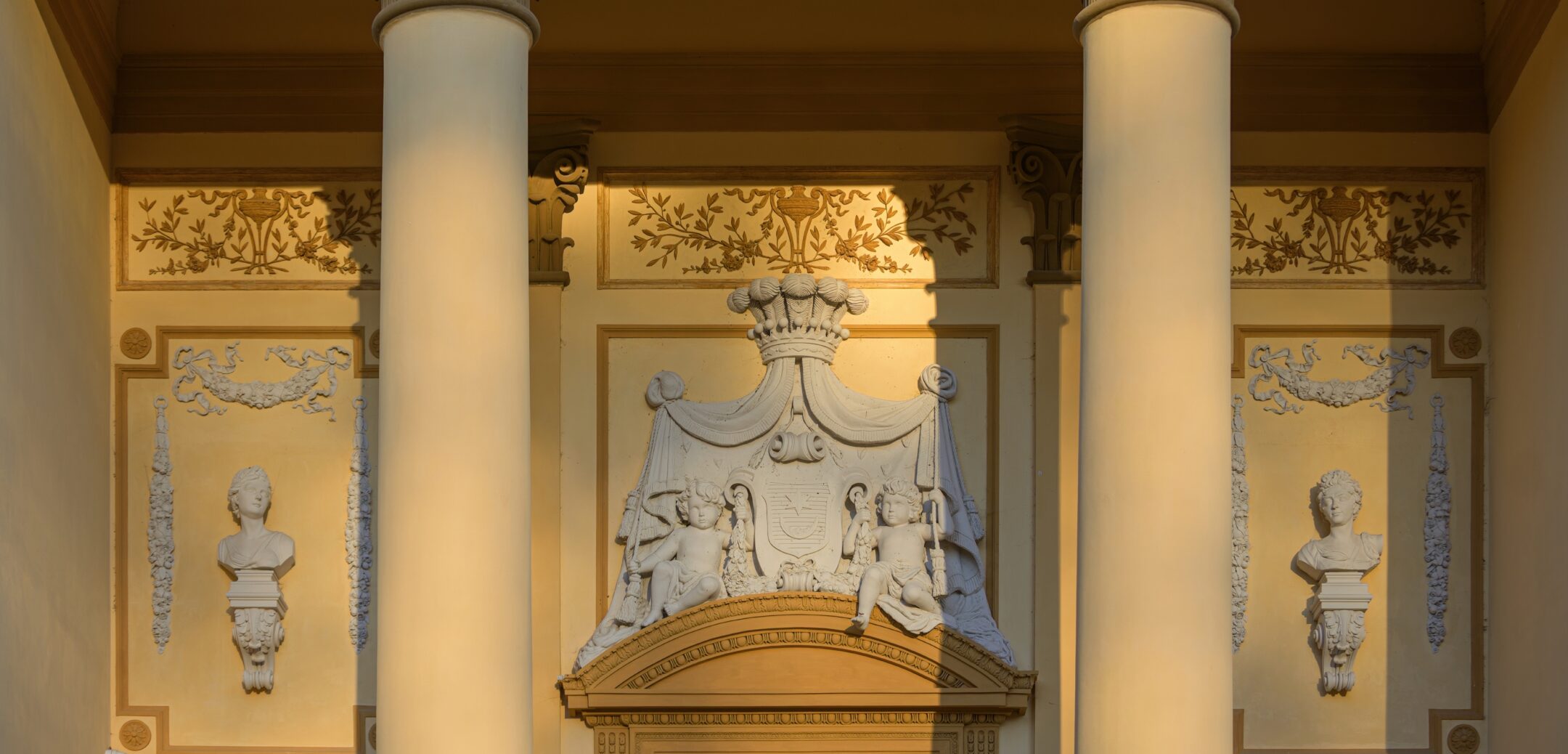
Trakai Vokė Manor is located in the picturesque valley of the Vokė River, on a hill near historically important roads connecting Vilnius with Trakai and Grodno. The location and layout of the manor were shaped by the natural landscape and historical routes of communication.
The manor has been mentioned in written sources since 1618, when it belonged to Povilas Steponas Sapiega, the Under-Chancellor of the Grand Duchy of Lithuania. At that time, the estate was already extensive, featuring residential and farm buildings, a brewery, a bathhouse, ponds, and a manor house situated across the Vokė River. During the 17th and 18th centuries, the manor frequently changed owners and suffered devastation during wars, particularly the Northern War.
At the end of the 18th century, the Dombrovskis, who owned the manor, renovated it and established its current layout, clearly separating the representative and economic areas. In the mid-19th century, the estate was acquired by the Tiškevičiai family, during whose ownership Vokė became their main residence. Between 1875 and 1880, a new palace in the Historicist style was built, and the park and entire ensemble were landscaped, creating the recognizable appearance of the manor today. The estate also functioned as a modern agricultural enterprise.
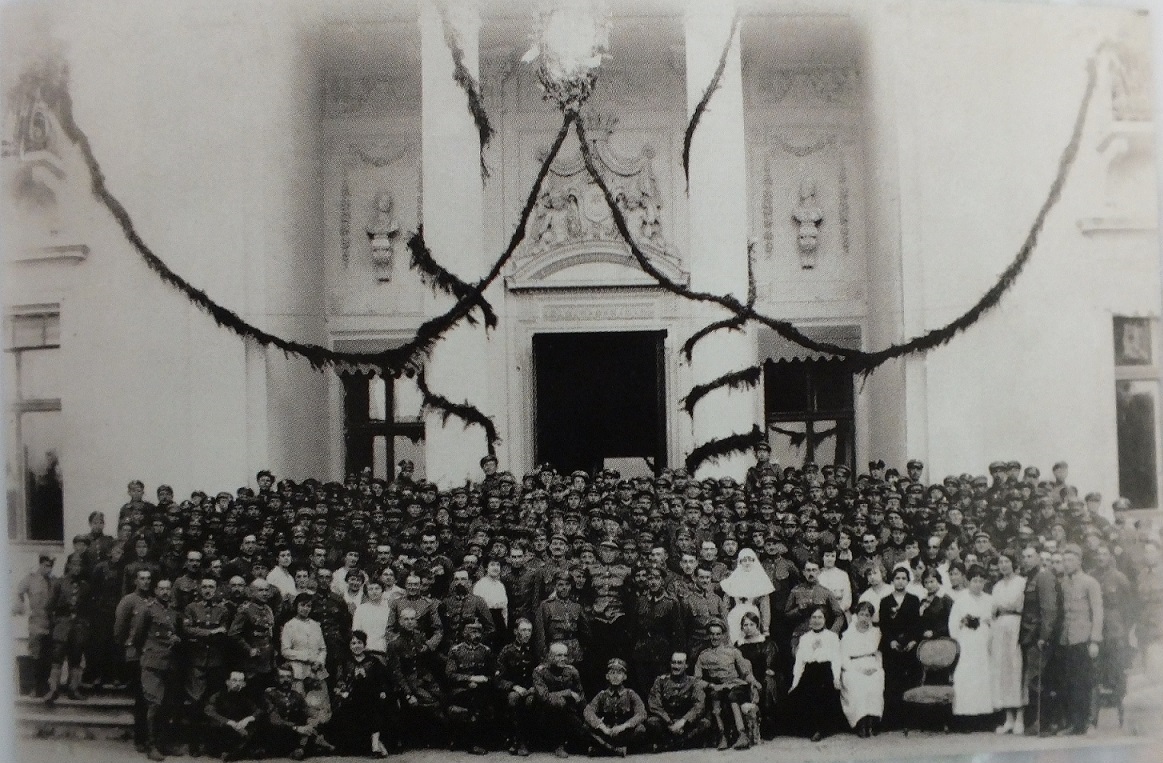
At the beginning of the 20th century, the manor was affected by family losses and wars. During the First World War, part of the property was looted, and in the interwar period the estate was not restored. After the Second World War, Soviet institutions operated here, followed later by the Institute of Agriculture and Soil Science. The palace was restored in the 1970s.
After the restoration of independence, the institute relocated, and in 2013 the palace was taken over by the Vilnius City Municipality. Since 2014, the manor has been managed by the public institution “Trakų Vokės dvaro sodyba”.
Today, the Trakai Vokė Manor ensemble is a state-protected cultural heritage site, consisting of 16 buildings: a palace, a park, a chapel, gates, guardhouses, and outbuildings, all reflecting the manor’s history spanning several centuries.
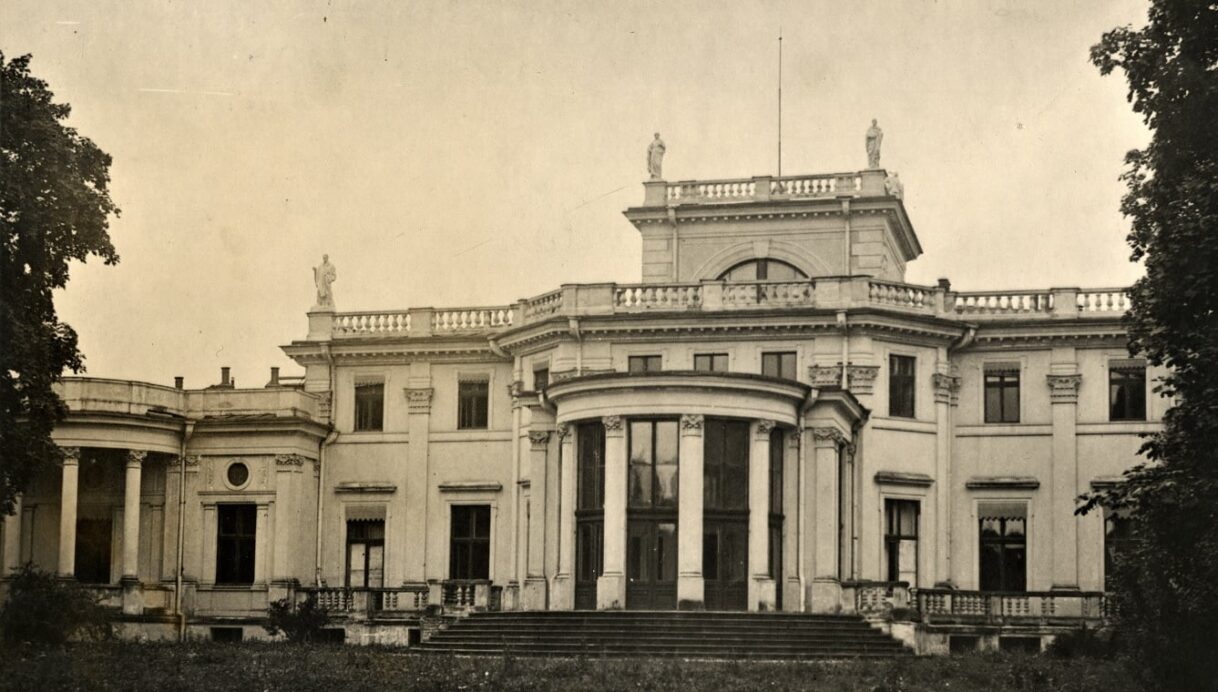
The design of the new Trakai Vokė Manor palace was commissioned at the end of the 19th century by Count Jonas Vitoldas Emanuelis Tiškevičius. The palace was designed by Warsaw-based architect of Italian origin Leandras Marconi, one of the most prominent creators of representative architecture of his time. The design was inspired by the Łazienki Palace in Warsaw – the former summer residence of the last ruler of the Polish–Lithuanian Commonwealth, Stanisław August Poniatowski.
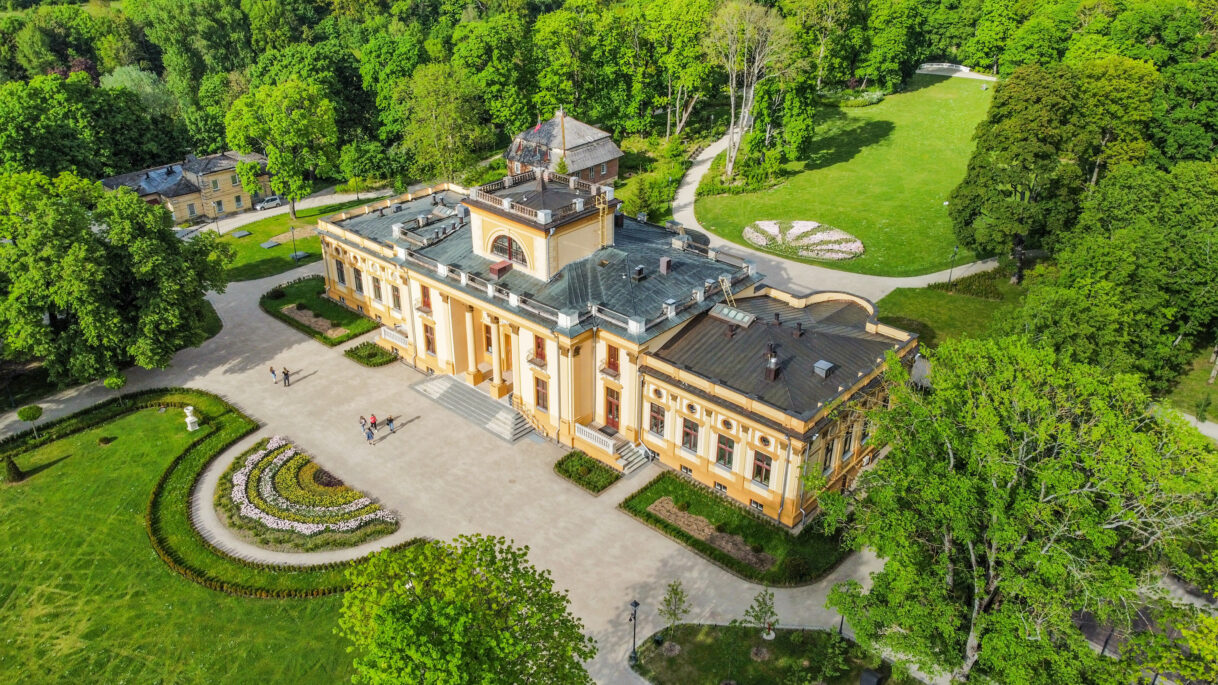
The palace was built between 1876 and 1880 under the supervision of the architect himself. Although the project is clearly related to the Łazienki Palace, the Trakai Vokė residence is not a copy, but an independent interpretation adapted to the needs of the 19th century. The palace was modern for its time, featuring central heating, sanitary facilities, and a functional spatial layout.
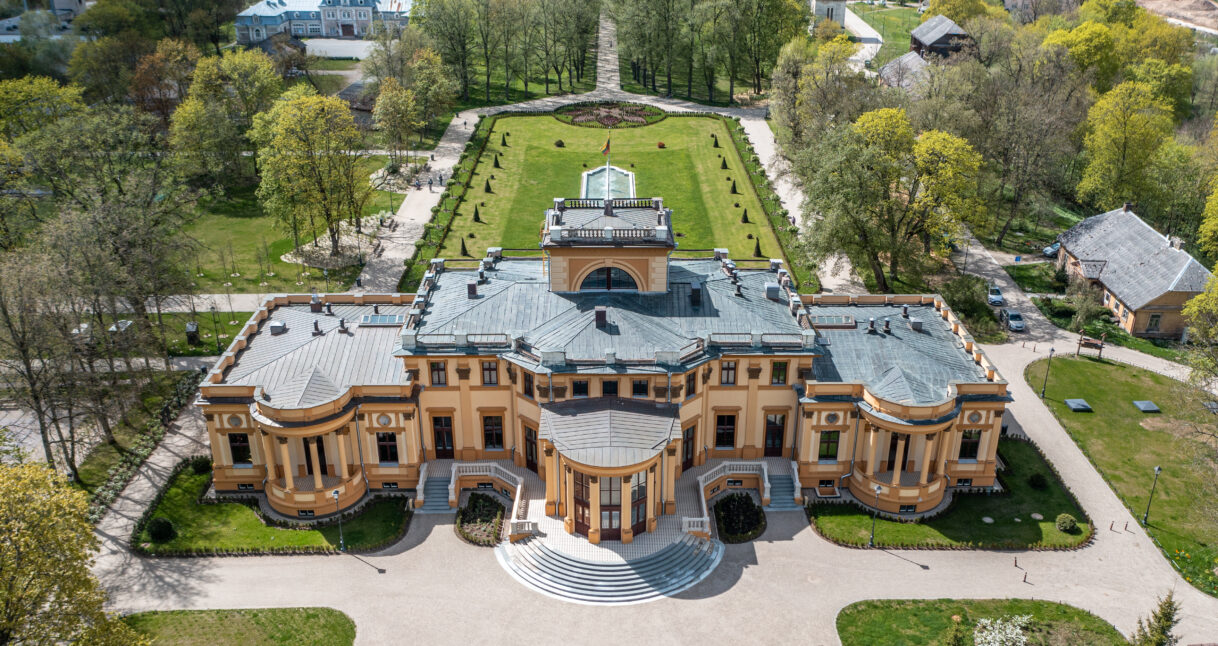
The architecture combines elements of Neo-Renaissance and Neoclassicism, interpreted in the spirit of Italian villas. The building has a symmetrical yet complex plan, with a belvedere, portico, and orangery. The façades were decorated with allegorical sculptures and the Leliwa coat of arms of the Tiškevičiai family. The sculptures were created by Warsaw sculptor Ludwik Kucharzewski; although they have not survived, there is hope that they may be restored in the future.
The interior spaces followed the canonical layout of representative residences:
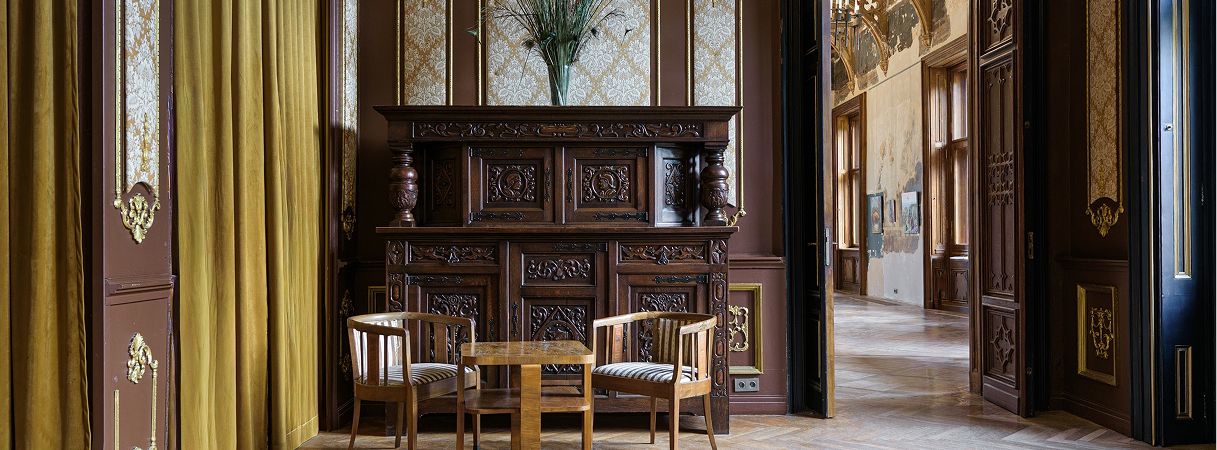
The axis of the ground floor connected the entrance hall, the banquet hall, and the orangery. The grand hall, with columns and a dome, was the main representative space. The right wing housed the owner’s library, study, and bedroom, while the left wing contained the apartments of Countess Izabelė Hortenzija. The most impressive rooms included the White (banquet) Hall, the dining room with Neo-Gothic ceilings, and the orangery. The interiors were renowned for their luxury, light, and artistic decoration, although a large part of them was lost during the wars.
Today, the basements and part of the interior spaces have been restored and adapted for educational activities.
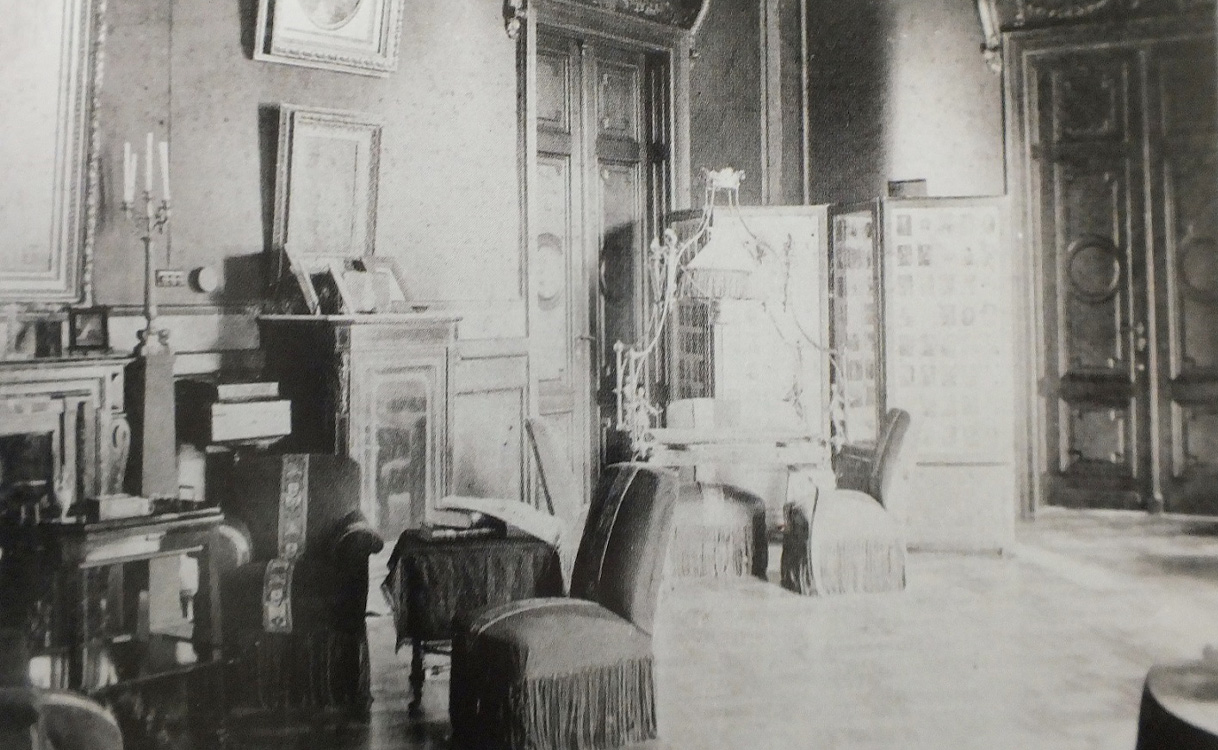
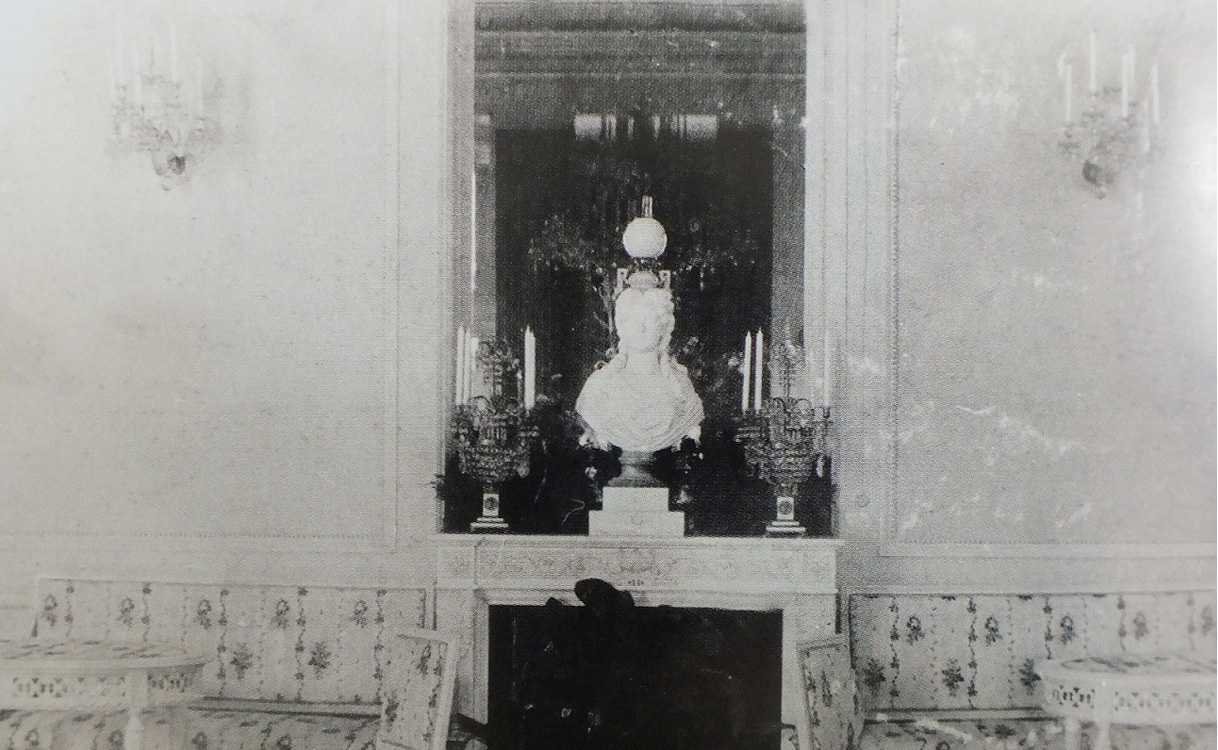
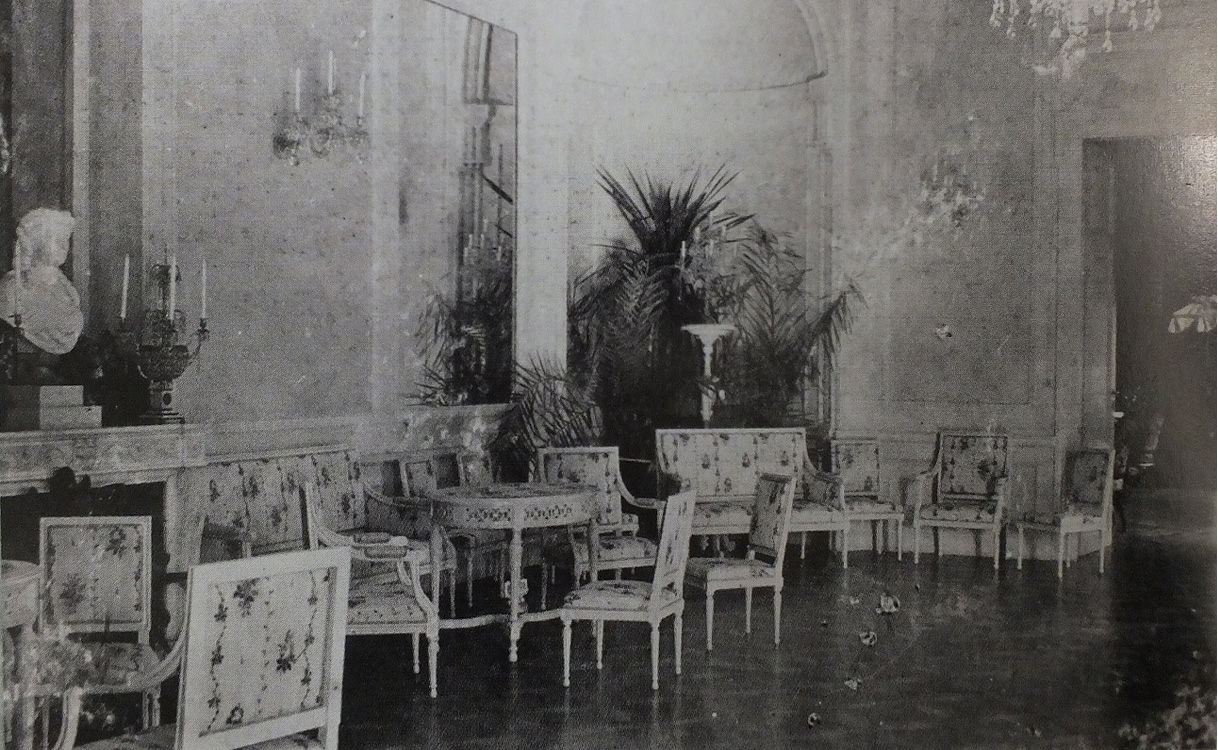
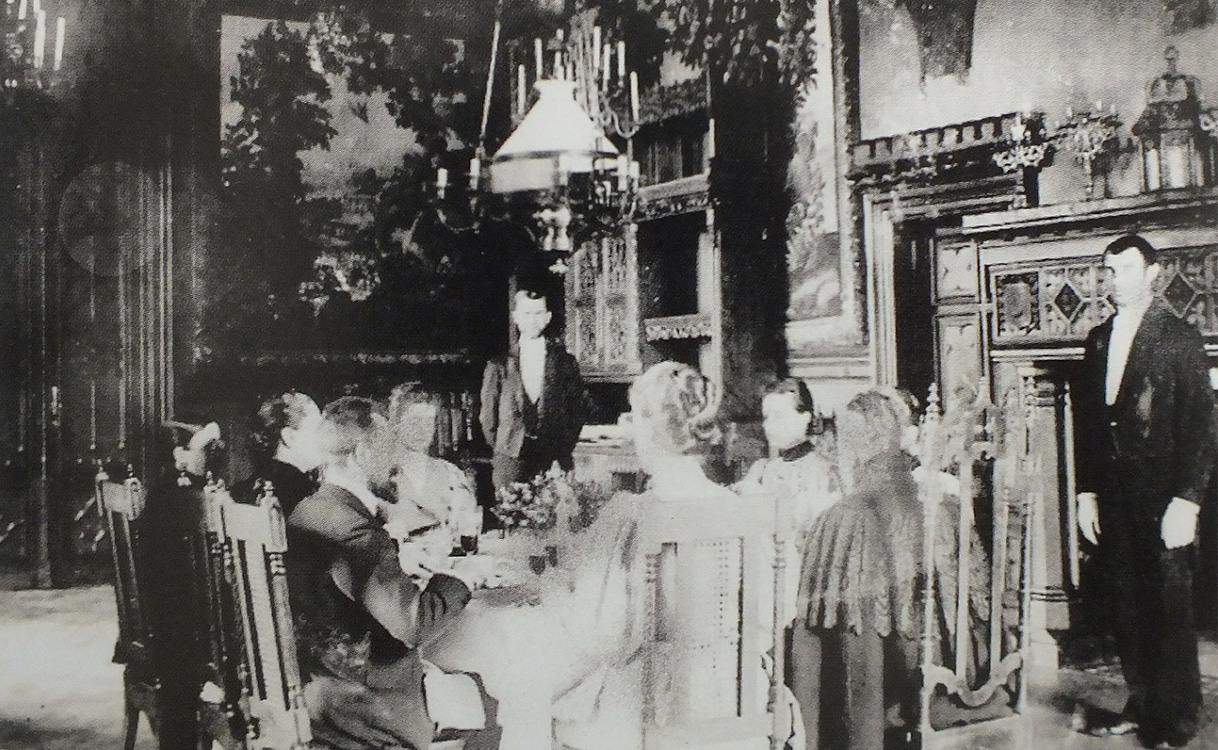
In the 19th century, the Tiškevičiai family were known as collectors of art and antiquities. The palace housed a collection of paintings, family portraits, tapestries, and other valuables, assembled with the assistance of Count Mykolas Tiškevičius, who lived in Paris. Unfortunately, the entire collection was lost during the wars and occupations of the 20th century.
Today, the former richness of the collection is evidenced only by historical sources, photographs, and research, which allow us to imagine Trakai Vokė Manor as an important cultural and artistic center of the 19th century.
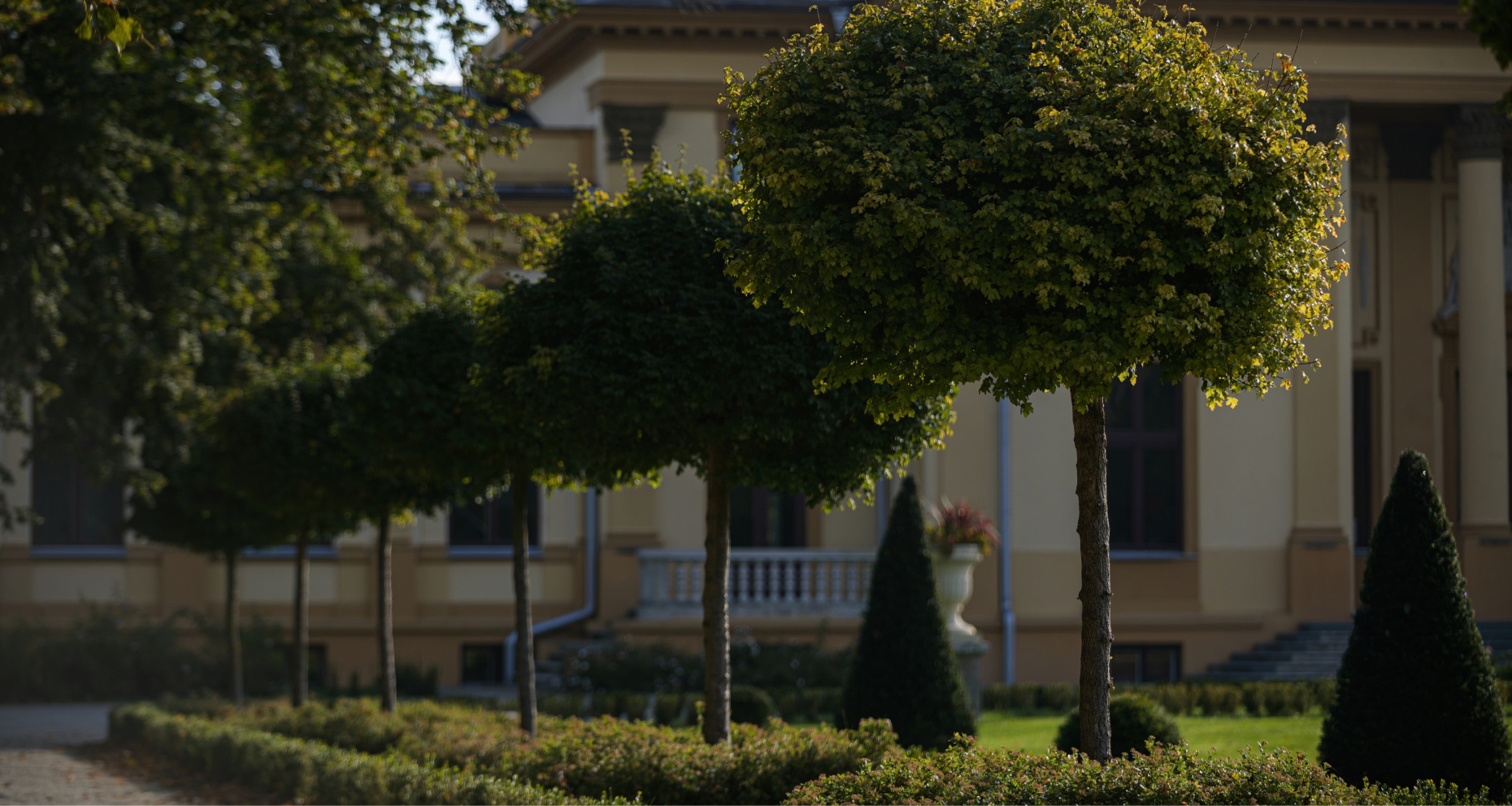
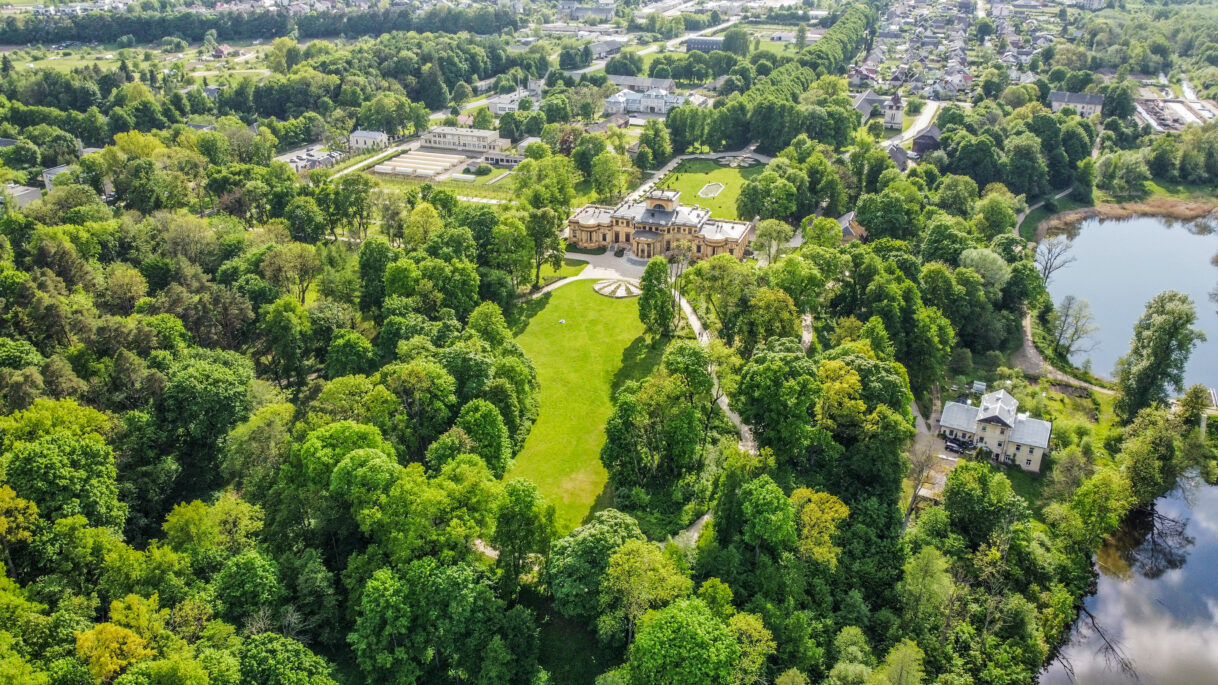
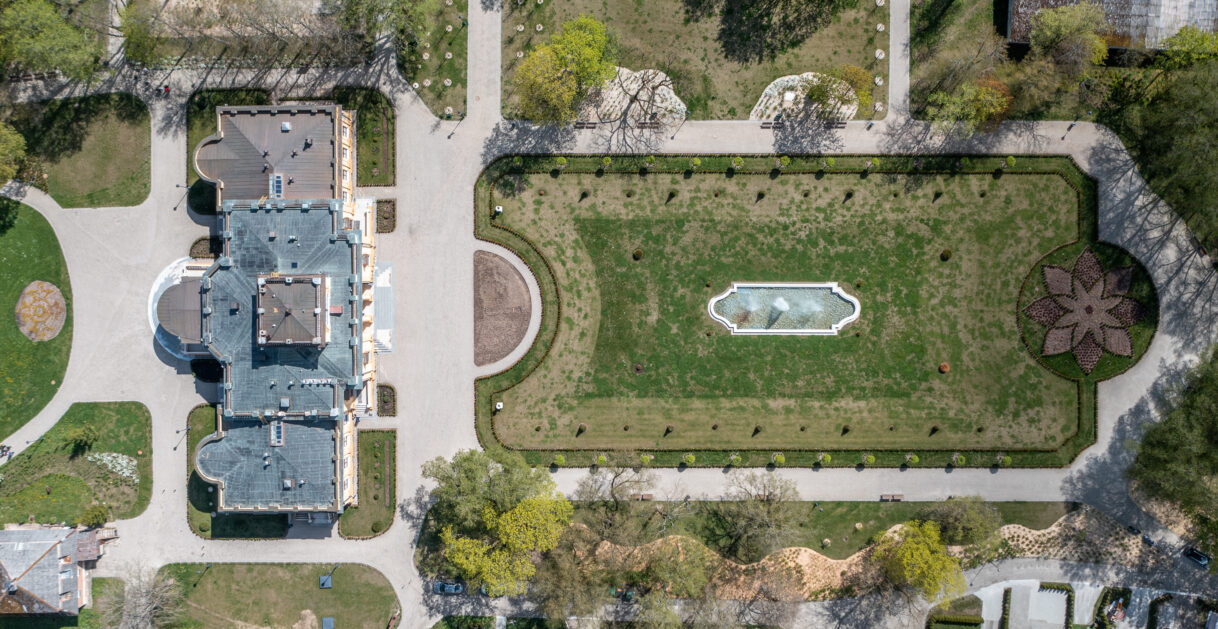
The Trakai Vokė Manor estate covers approximately 43 hectares, of which around 22 hectares are occupied by the park. Although the estate is not the largest in Lithuania, its artistic and landscape value is exceptional: the park organically surrounds the palace, chapel, and outbuildings, forming a unified historical landscape.
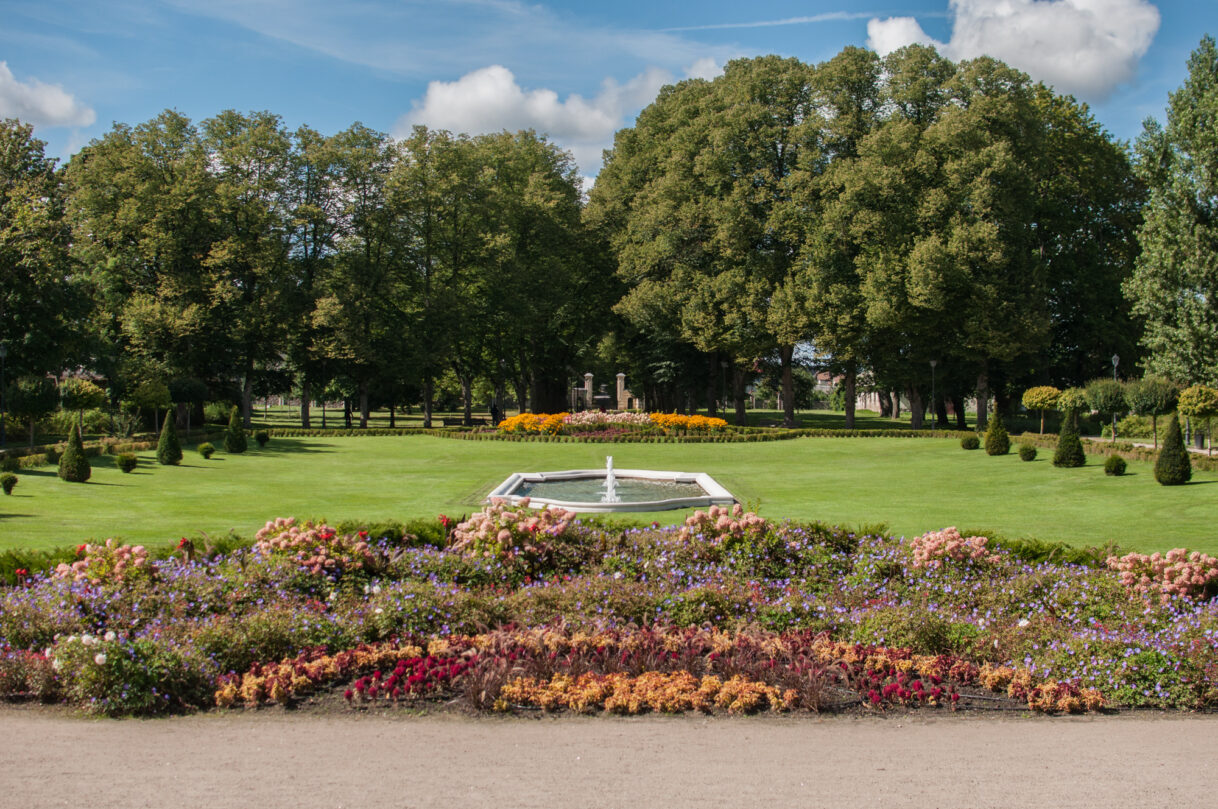
The park consists of two main parts: a formal (geometrically planned) area and a landscape (more natural, free-form) section. This structure is enhanced by the undulating terrain and the valley of the Vokė River, which provide picturesque views and perspectives.
Greenery at the site is mentioned as early as the 17th–18th centuries, when inventories describe gardens, flowerbeds, and an orchard. Documents from 1863 already attest to a developed park and even three orangery buildings, where grapes, citrus fruits, and other exotic plants were cultivated.
Water has always been an important element of the park. Mid-19th-century plans show ponds and pools that served both aesthetic and practical purposes. In the late 19th century, Count Jonas Vytautas Emanuelis Tiškevičius developed fish farming: the ponds were reorganized into a system of interconnected basins, fragments of which still survive today.
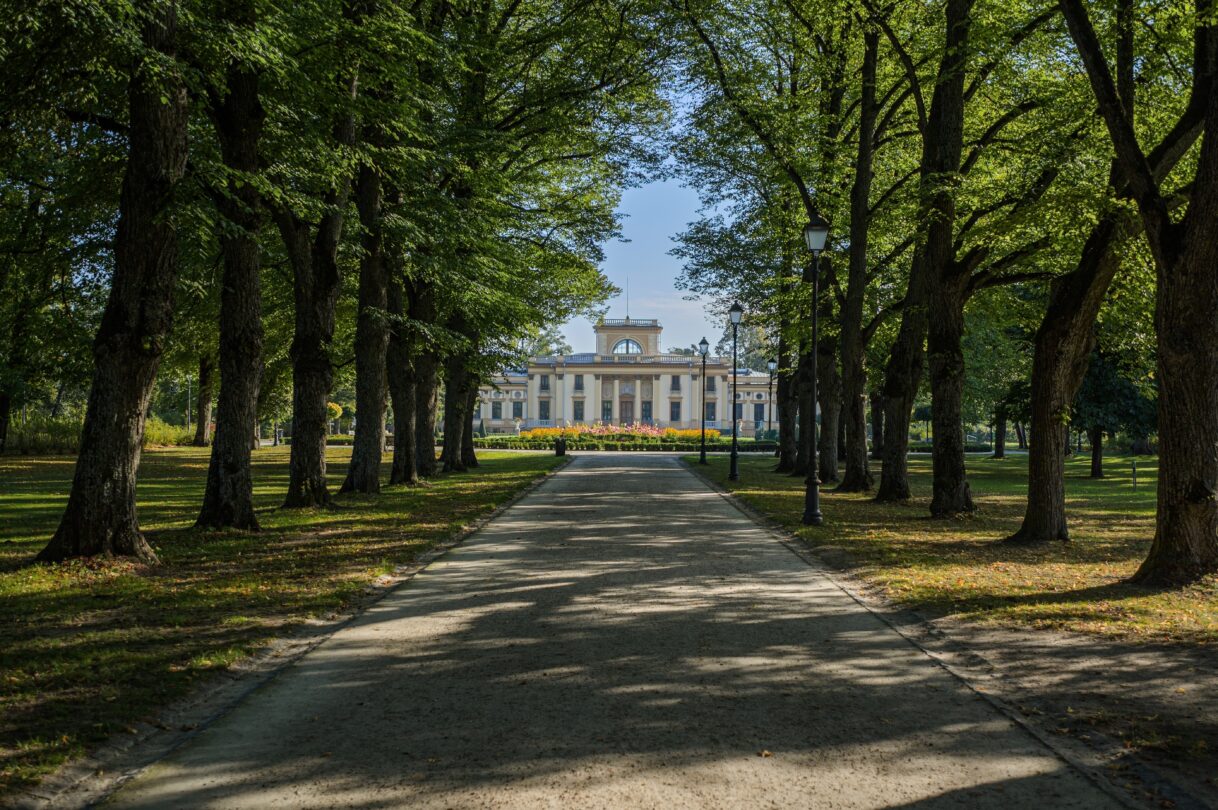
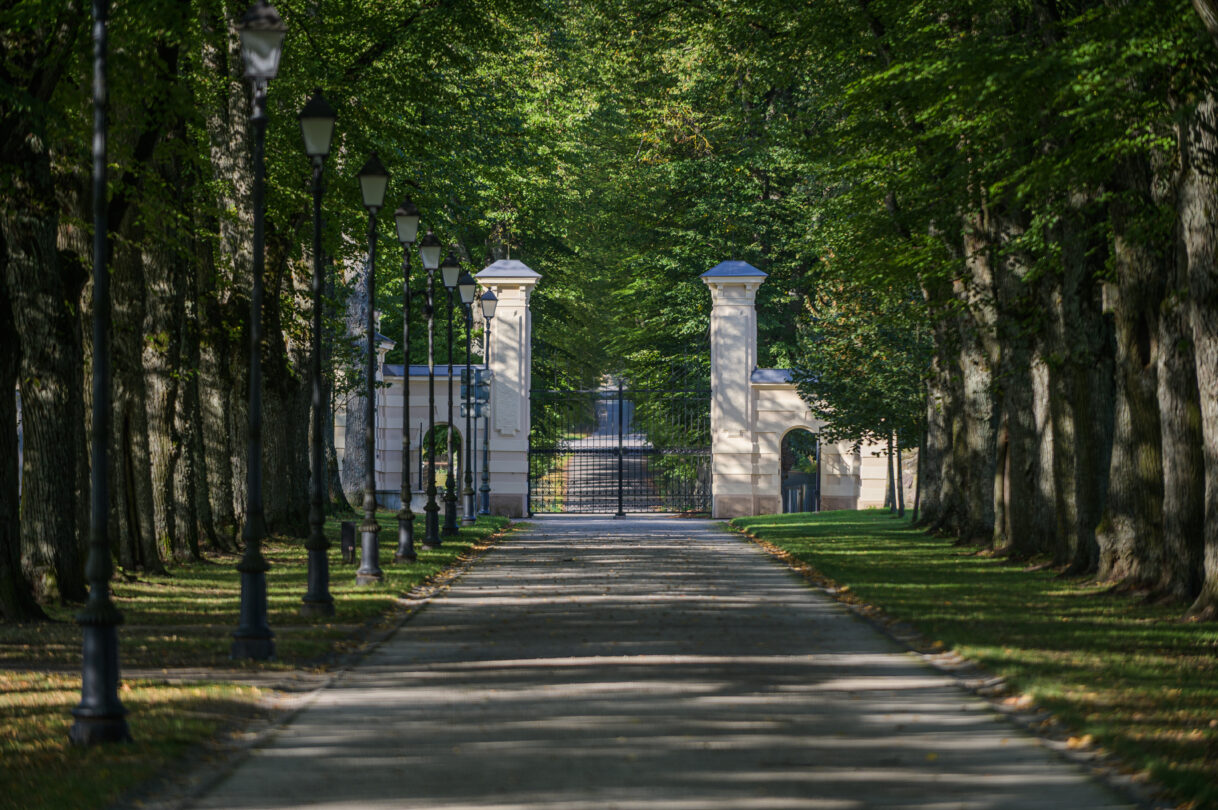
In the second half of the 19th century, the park became a space for representation and leisure. Alleys, pathways, gazebos, greenhouses, recreational areas, and even a pheasantry were established. Impressive linden alleys led to the estate from the gates, and during the summer the park attracted visitors from Vilnius and Warsaw.
The most significant changes took place between 1898 and 1900, when the park was redesigned by the French landscape architect Édouard François André, together with his son René Jules Édouard André. Rather than creating the park from scratch, he reinterpreted and modernized the existing structure, expanded it into the river valley, enhanced visual perspectives, and clearly integrated the formal and landscape sections.
A parterre with a fountain was formed near the palace, the main axes were emphasized, and viewpoints, pathways, stairways, and small architectural elements were introduced. Some of these features have survived to the present day.
The park is protected by the state: it was designated a protected site in 1958 and declared a natural monument of national significance in 1986. In recent years, efforts have been made to restore its historical structure, including the reconstruction of the main fountain and the maintenance of the representative part of the park. The park is home to both native and introduced species of trees and shrubs, including lindens, maples, ashes, oaks, and various conifers.
Today, Trakai Vokė Park is a living historical landscape where several centuries of manor history, landscape architecture, and natural diversity come together.
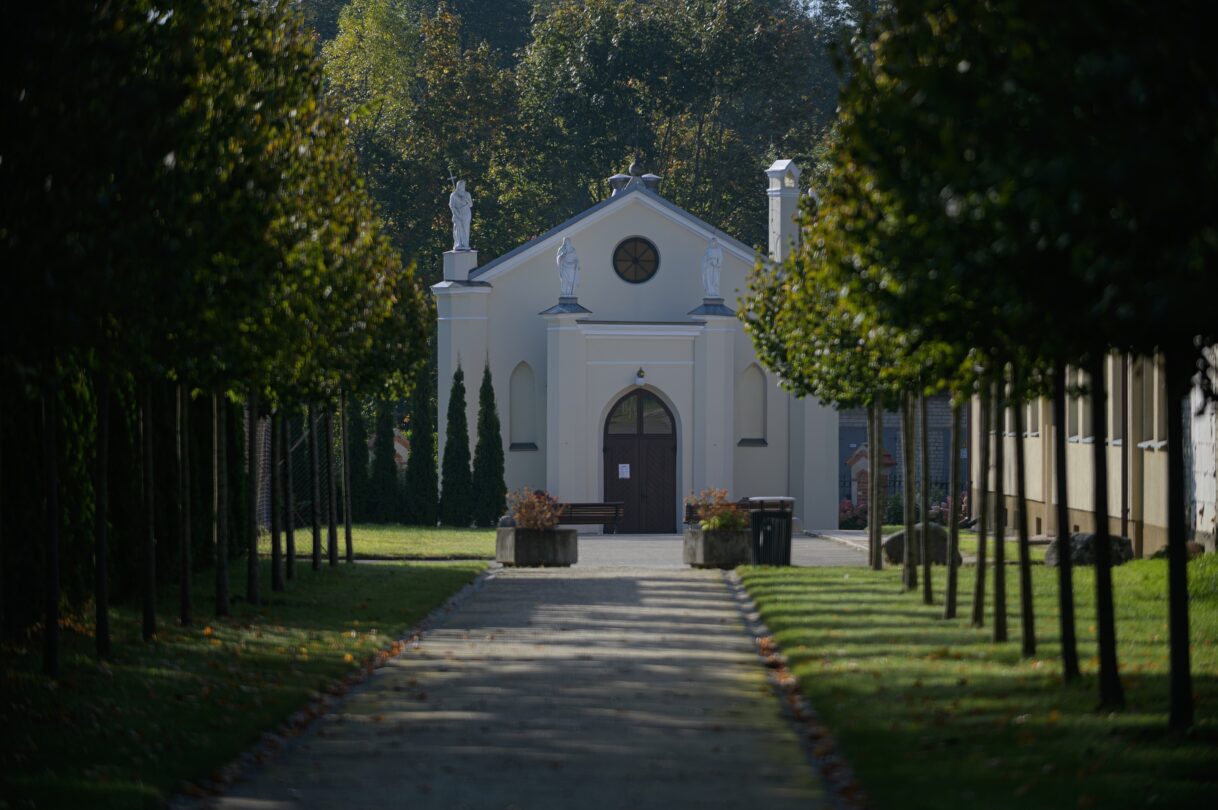
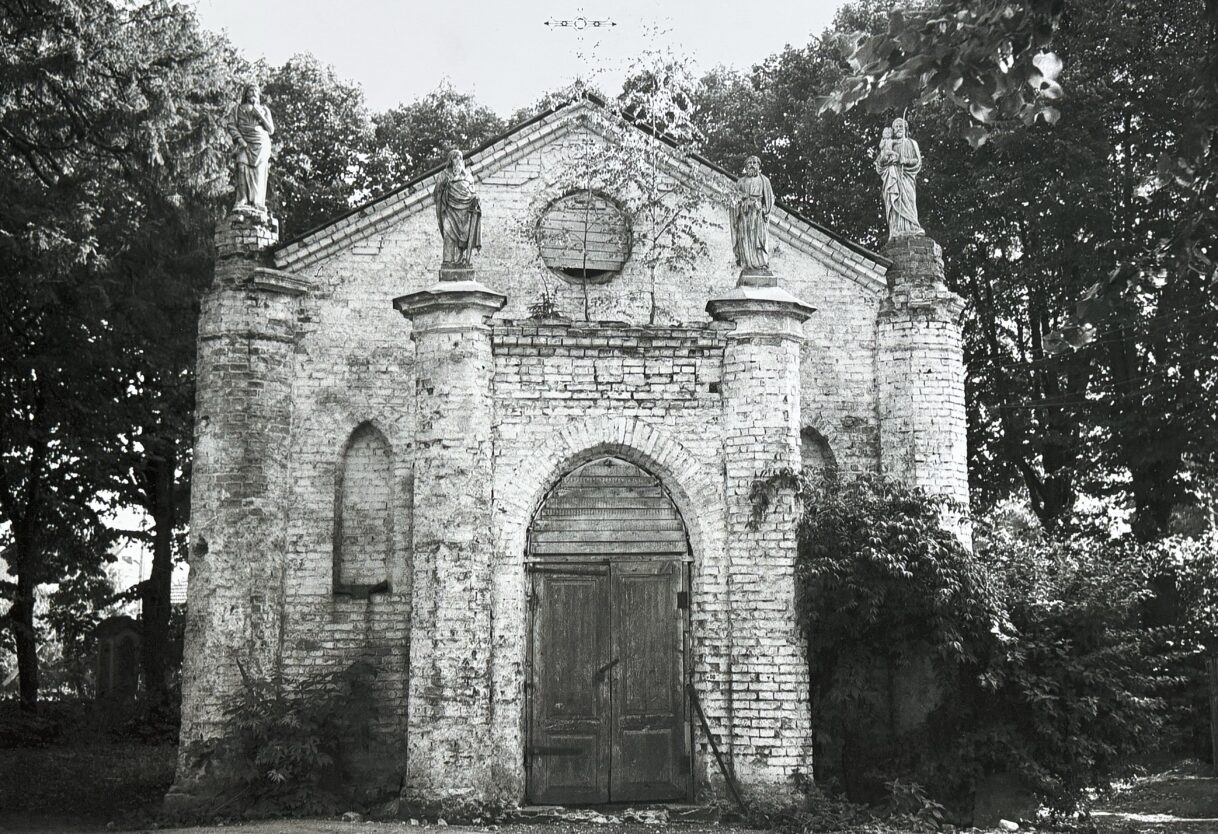
The Trakai Vokė Chapel is a private sacred space founded by the Tiškevičiai family, which later became an important part of the local community. Historical sources mention a chapel here even before the Tiškevičiai period; it is likely that it was built or reconstructed in several stages. After the wars and during the Soviet period, the chapel fell into disrepair (it was closed in 1948). Following the restoration of independence, it was returned to the faithful and consecrated in 1992. The culmination of its renewal came in 2016, when the restored altar was blessed. Today, Mass is held in the chapel in both Lithuanian and Polish.
The architecture is Neo-Gothic, with a crypt beneath the building. The interior retains decorative elements, mosaic tiles, symbolic inscriptions, and burials of members of the Tiškevičiai family.
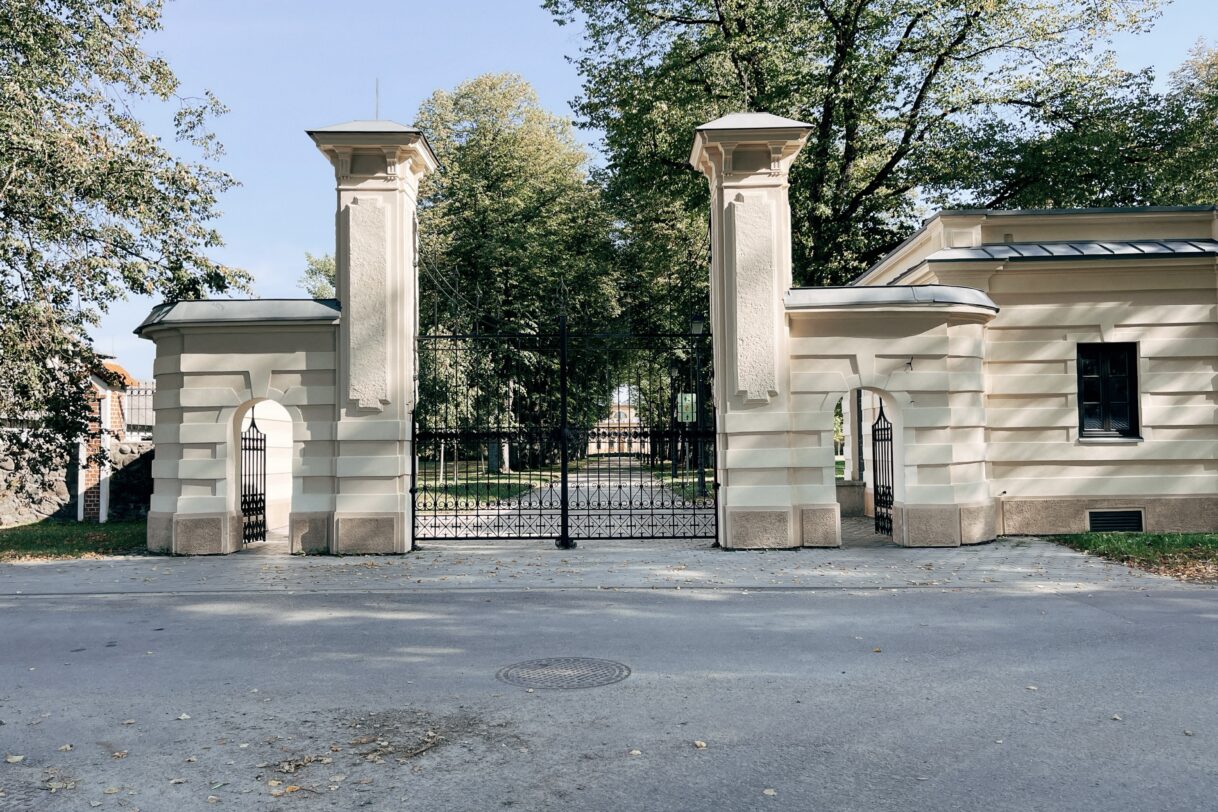
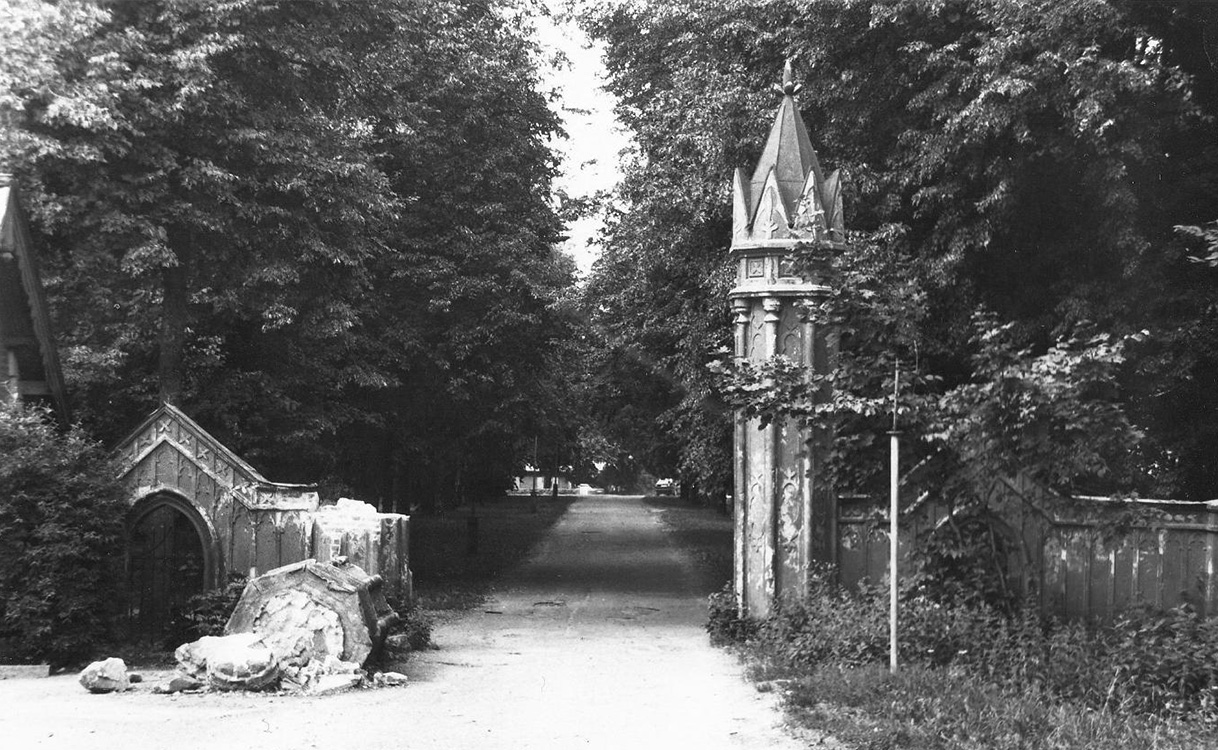
At the end of the 19th century, the representative part of the estate was enclosed by a fence with masonry pillars, stone bases, and ornate metalwork sections. Three entrance gates marked access to the estate: the Red Gate (southern), the White Gate (western), and the Servants’ Gate (northern). The gates created the first impression and emphasized the compositional axes leading toward the palace.
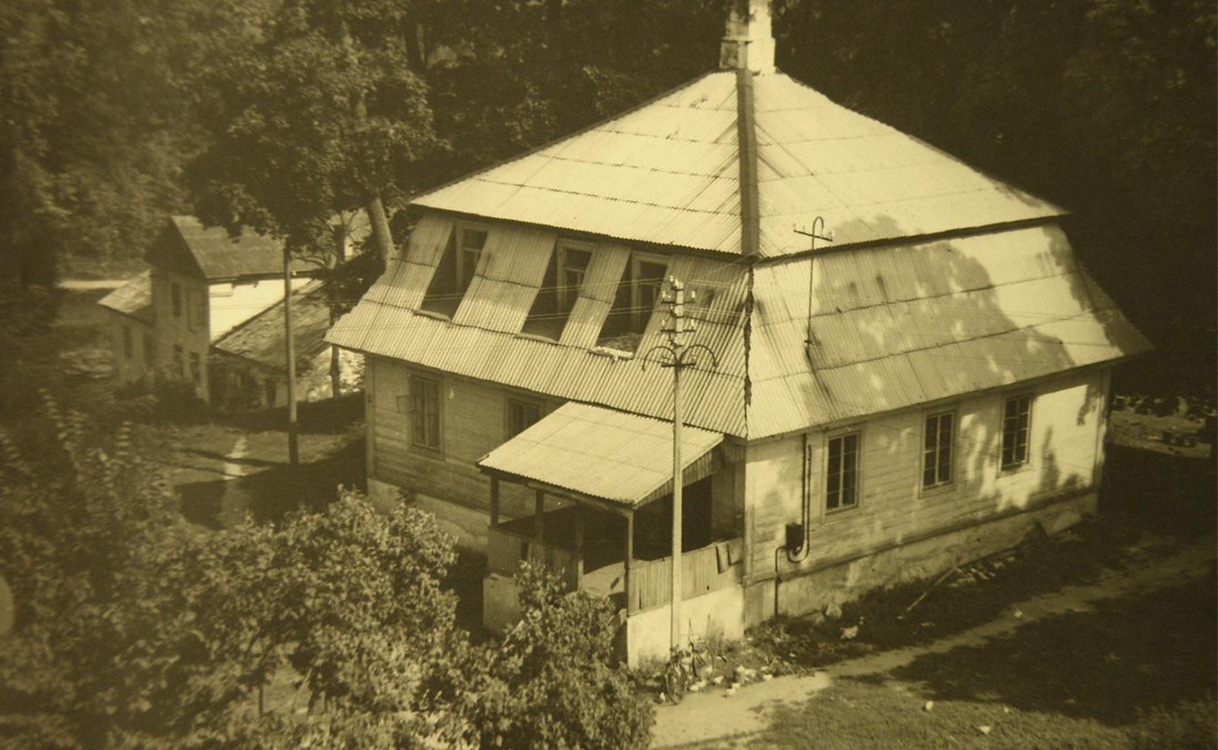
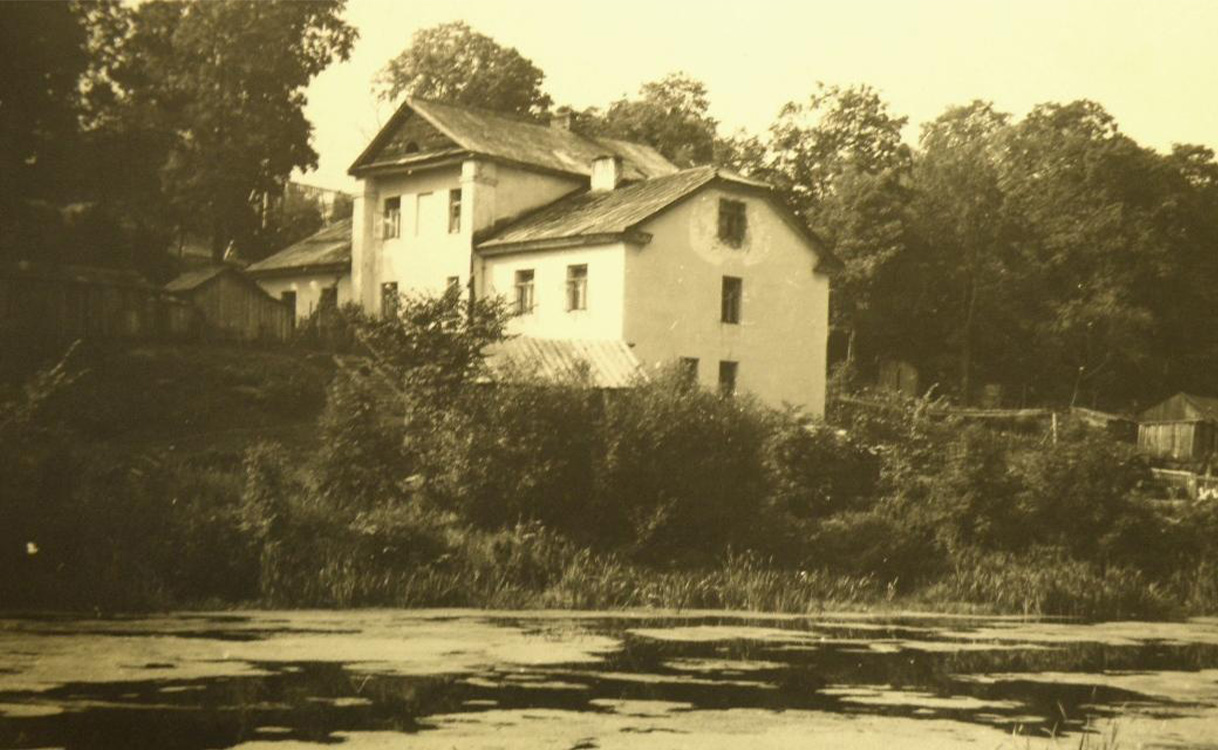
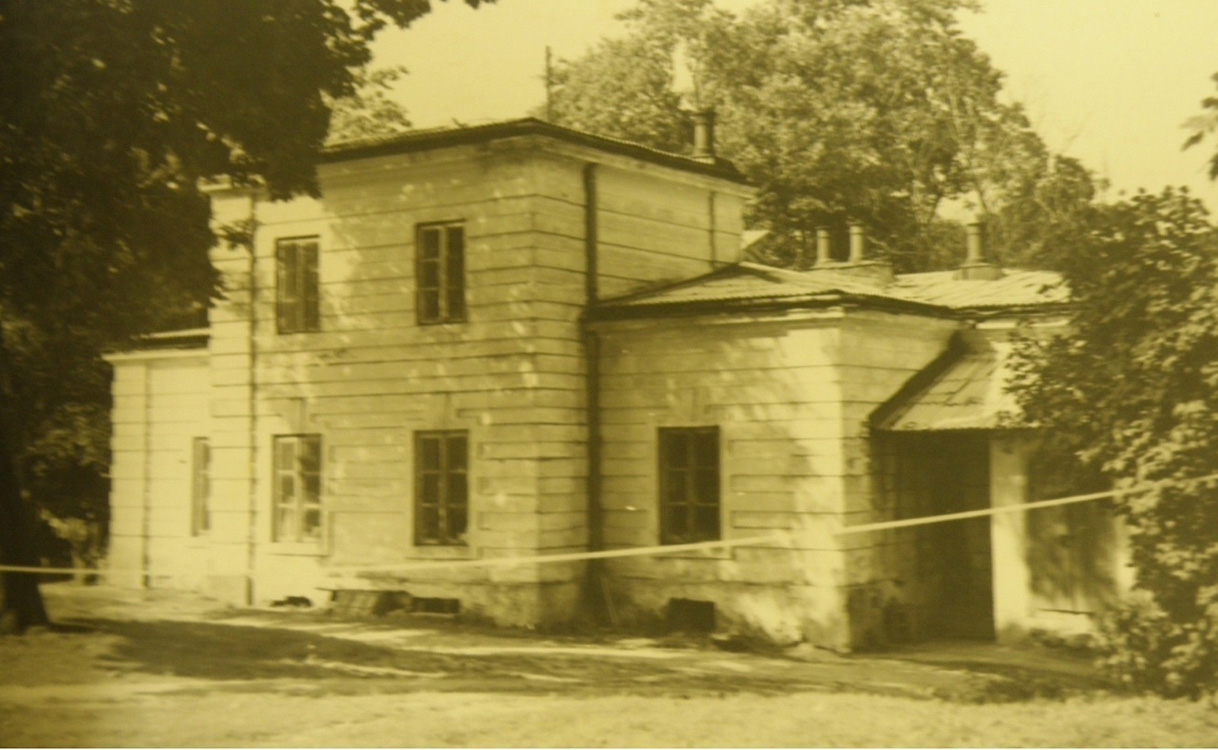
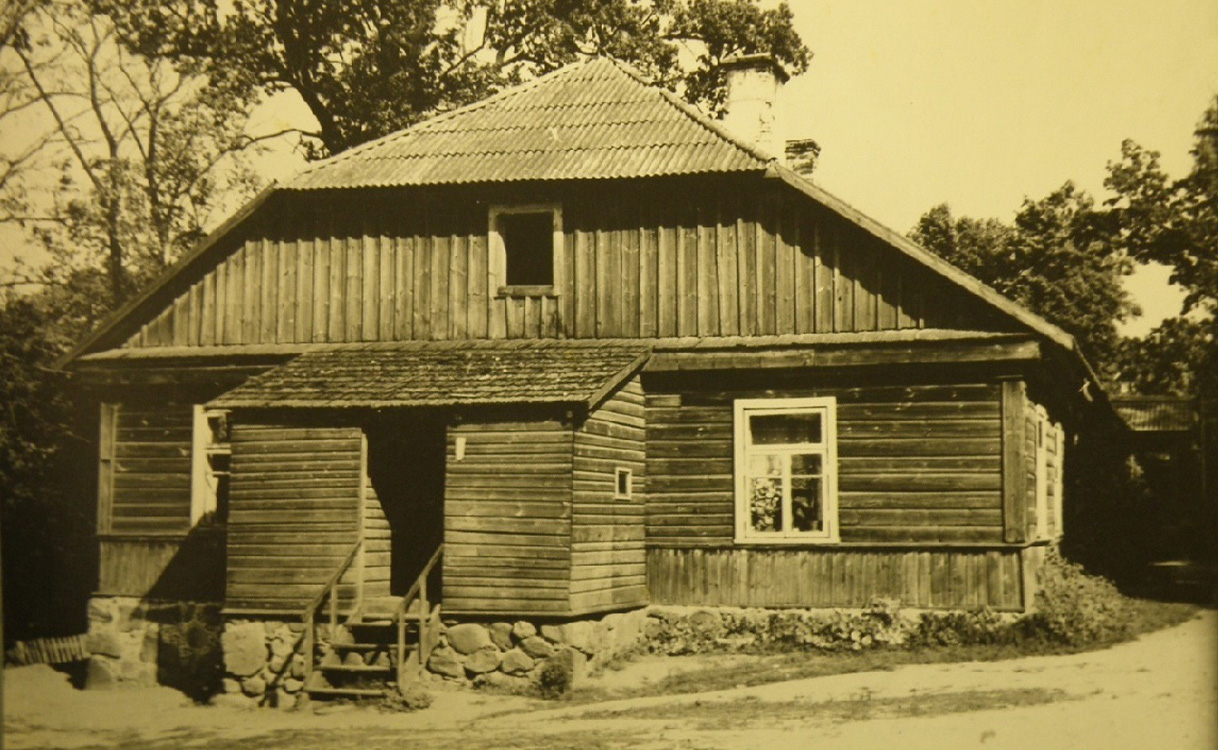
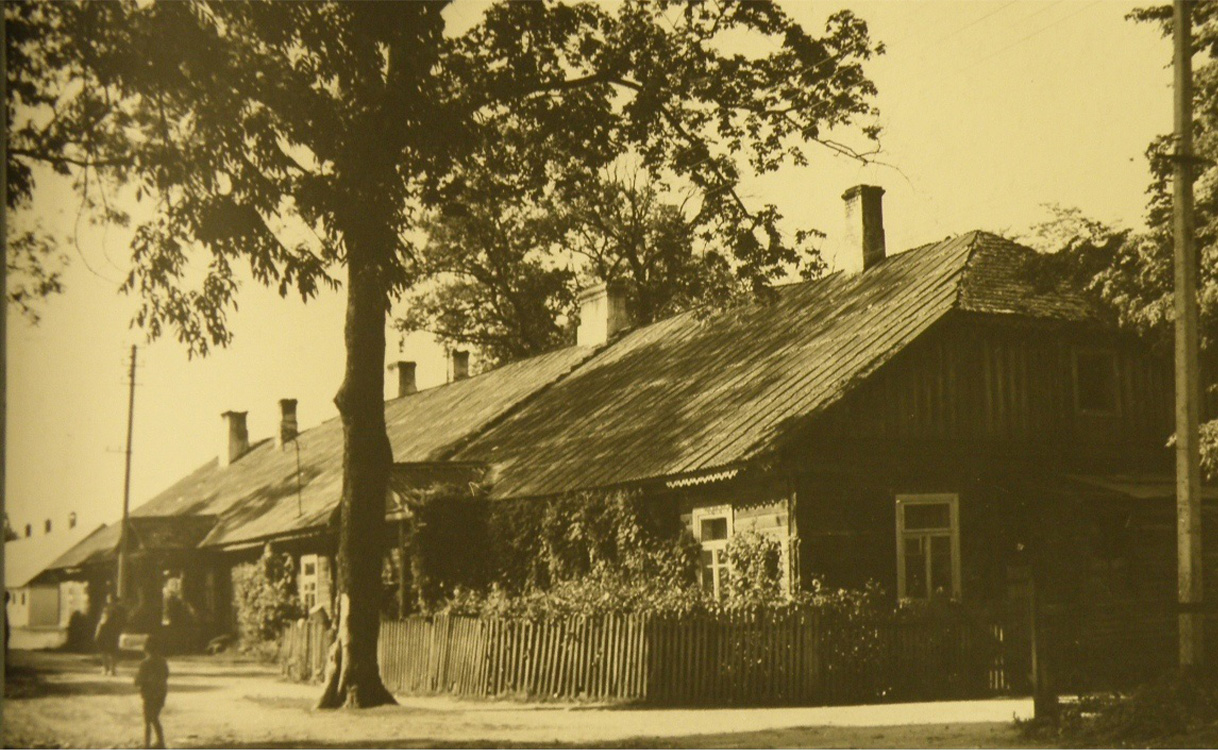
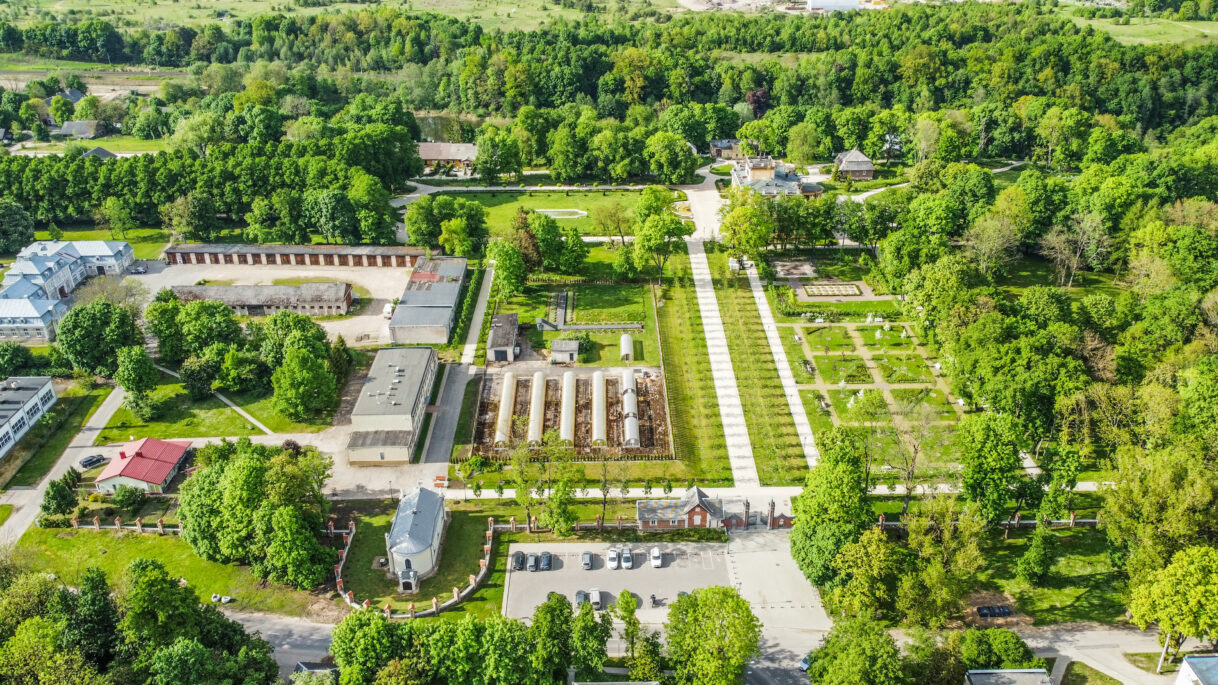
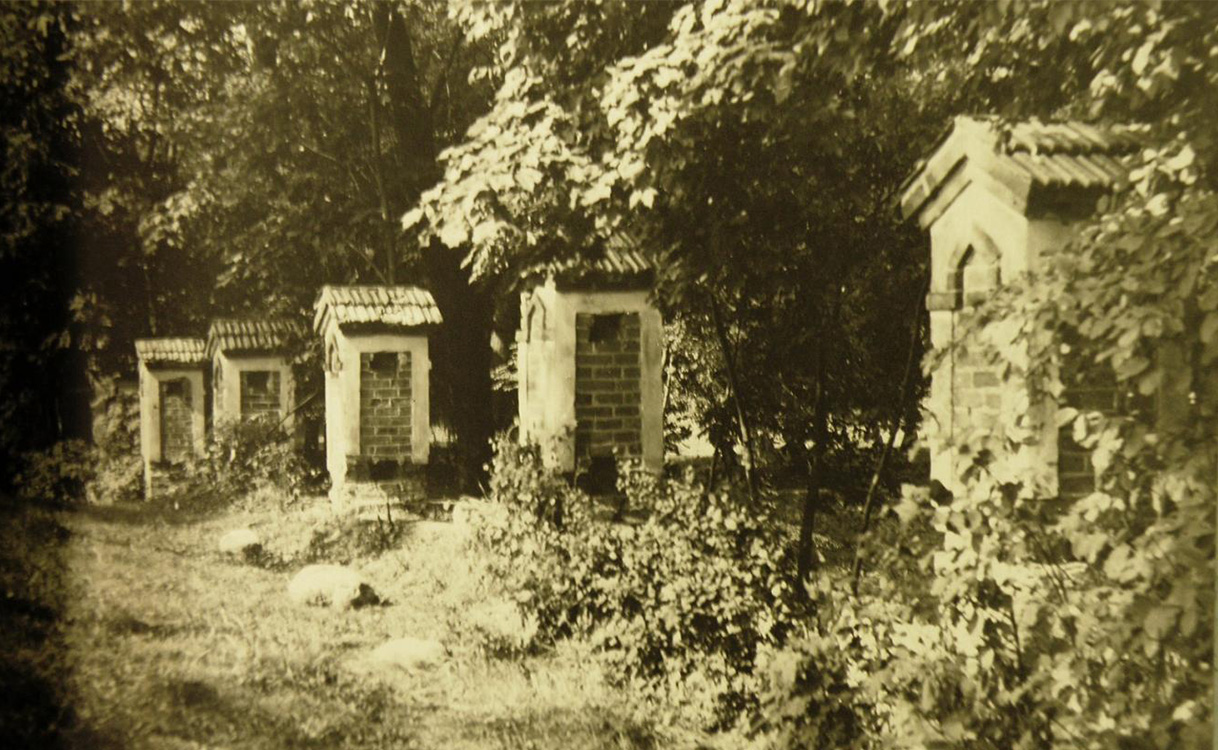
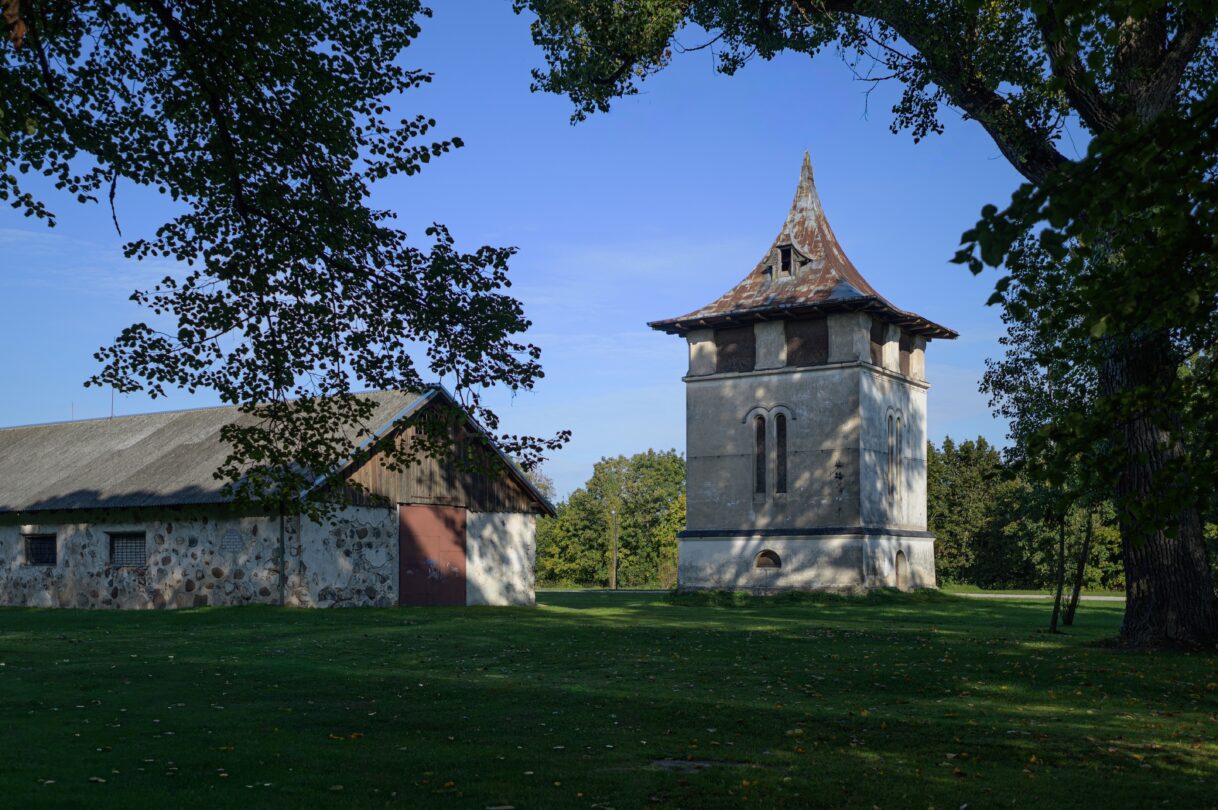
Various buildings of different functions have survived within the estate: the office building, the kitchen building (with an underground tunnel connecting it to the palace), the laundry–bathhouse, the steward’s house, the farmworkers’ quarters, the granary, the water tower, the smithy, the icehouse, as well as stables and other farm buildings. Particularly notable are the ornate stables built in the late 19th century, which today have been adapted for administrative and community use.
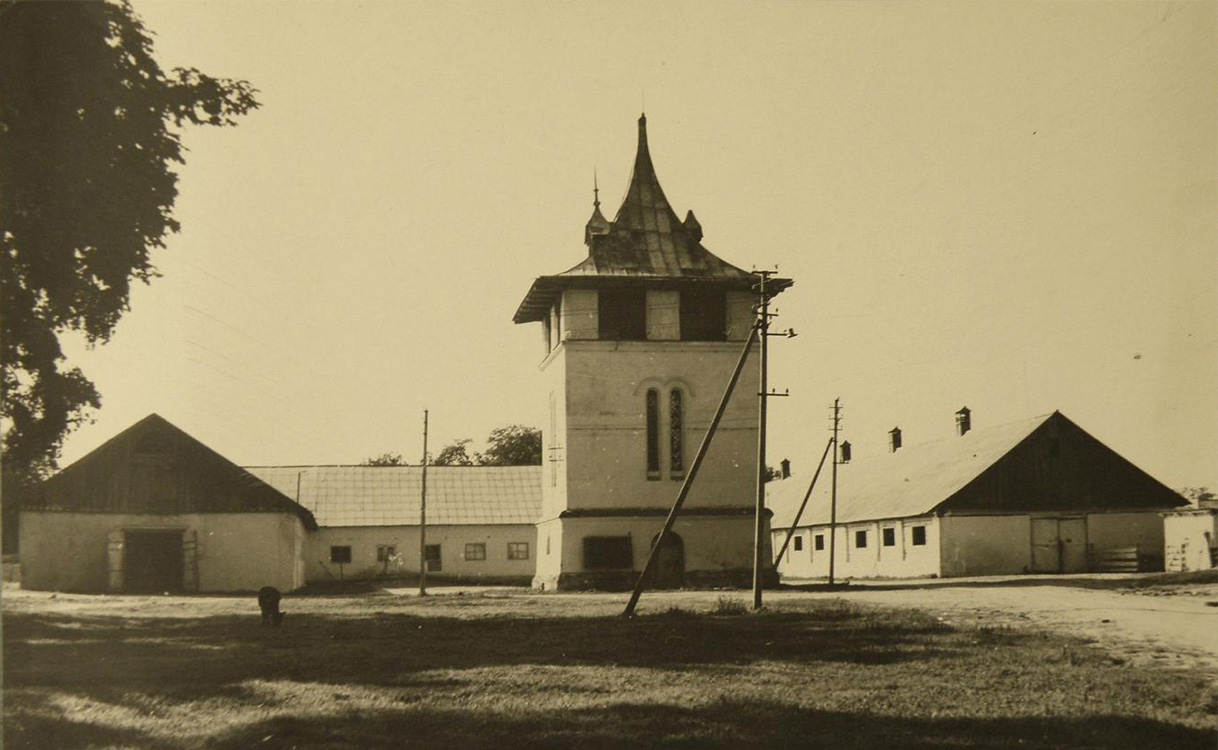
In the mid-20th century, the manor was nationalized, and its historical landholding structure disappeared – the estate became the core of the town of Trakų Vokė, with parts of its territory urbanized. Today, the ensemble is owned by different entities: since 2014, the palace and part of the complex have been managed by the public institution “Trakų Vokės dvaro sodyba”; since 2012, the park has been maintained by Vilnius City Parks; some buildings are privately owned, while the chapel belongs to the parish.
Since 2013, consistent research and conservation work have been carried out: park and building areas are being restored, the gates are being renovated, and the palace is undergoing ongoing preservation work. Today, the manor is open to visitors—offering guided tours, educational activities, and cultural events—while its historic spaces also serve as a filming location.